
Bringing Experts Home.
When Israel needs the professionals and the professionals need a pathway home.
The Need
Israel Has an Anesthesia Workforce Crisis
Anesthesia is fundamental to Israel's healthcare system. Without adequate anesthesia personnel, hospitals cannot fully utilize their operating rooms and other procedural services.
Israeli research has documented the seriousness of this workforce challenge.
A comprehensive survey of all 34 Israeli acute-care hospital anesthesiology departments found that 29 of 34 department heads—85%—believed anesthesiology was experiencing a workforce crisis. The researchers also reported that shortages were limiting surgeries and other procedures in many hospitals.
A separate national workforce study found that 21 of 34 anesthesiology departments reported existing workforce shortages totaling approximately 110 anesthesiologists. Seventy-one percent of departments reported a shortfall, and unmet demand for anesthesiology services was reported by 21 departments.
The challenge is expected to remain significant. The 2024 workforce study found that 22.6% of Israel's hospital anesthesiologists were within ten years of retirement age, while demand for anesthesia services continues to grow with population growth, aging, increasing surgery, births, and procedures performed outside traditional operating rooms.

This is not simply a shortage of doctors.
It is a question of whether Israel can build the anesthesia workforce capacity required for the healthcare system of the future.
The 2024 study specifically noted that countries such as the United States and France augment physician anesthesiologists with anesthesia extenders, including nurse anesthetists and anesthesia assistants.
That raises an important question for Israel:
Could an appropriately regulated advanced-practice anesthesia profession become part of Israel's solution?
Professionals Who Want to Come Home
The workforce problem has another side.
Around the world are Jewish nurses and healthcare professionals who have invested years in advanced education, specialized clinical training, and professional practice.
Some may want to make Aliyah.
Some may want to bring their professional expertise with them.
But making Aliyah and transferring a professional career are not necessarily the same process.
A professional can have a recognized degree, years of clinical experience, and an active license in another country—and still face a separate Israeli licensing and regulatory process.
For Jewish healthcare professionals abroad, the challenge is not only credential transfer—it can become an Aliyah and family barrier.
Without a practical pathway to continue their profession and earn a living in Israel, professionals may delay Aliyah, marriage, or starting a family. Creating pathways for qualified professionals to bring their expertise home can therefore strengthen both Israel’s workforce and Jewish family life in Israel.

The Other Side Of The Gap
The result is a gap between:
“I am qualified to do this work abroad.”
and
“There is a recognized professional pathway for me to do this work in Israel.”
That gap can discourage professionals from making Aliyah, require them to retrain unnecessarily, or leave valuable expertise underutilized.
The issue is not unique to anesthesia.
Healthcare professionals across multiple disciplines can encounter variations of the same challenge: international education and experience do not always translate into a clear Israeli professional pathway.
Anesthesia provides a particularly compelling place to begin because Israel simultaneously faces a documented workforce shortage.
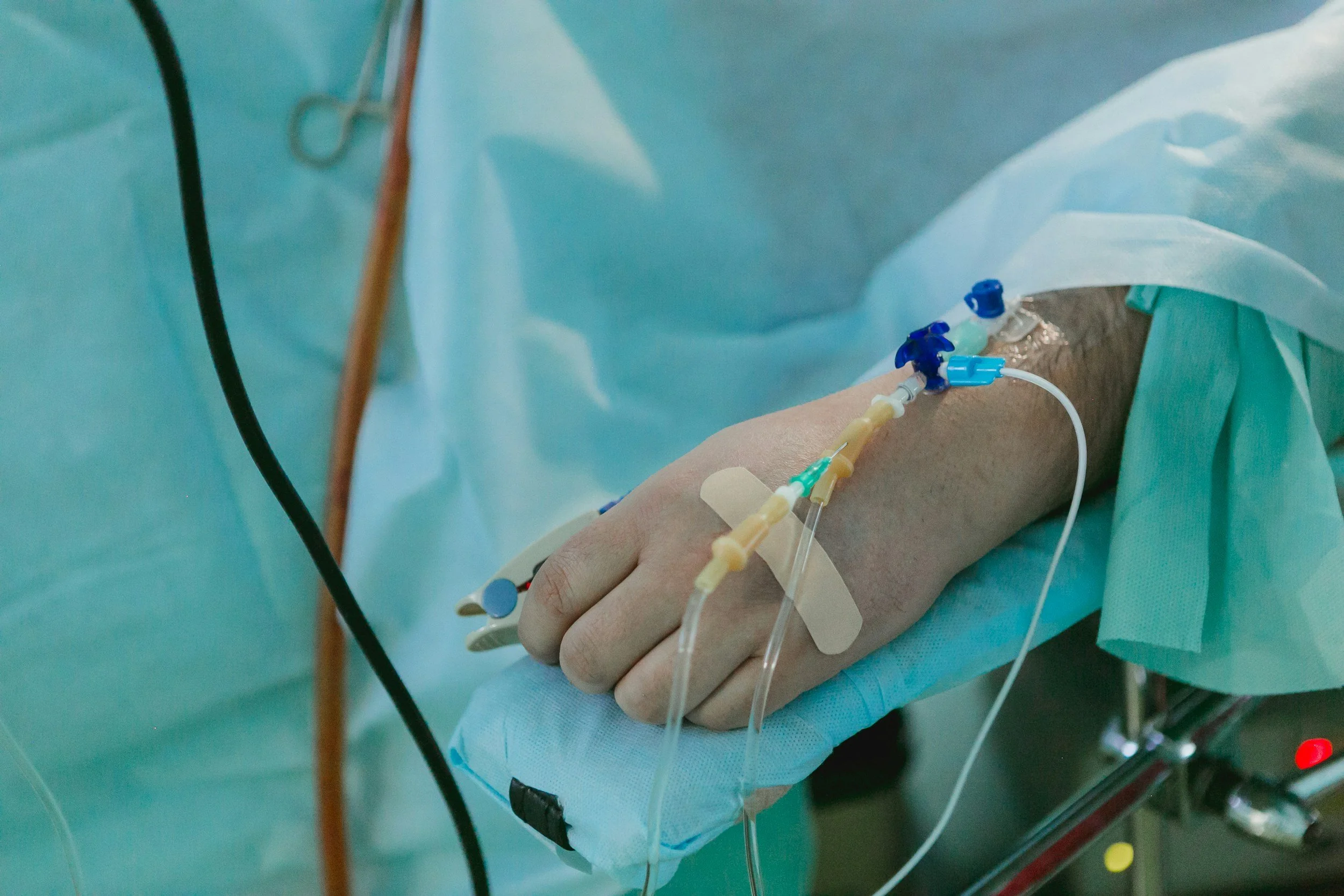
THE CRNA MODEL
Learning From an Established Profession
In the United States, the Certified Registered Nurse Anesthetist (CRNA) is an advanced-practice nursing profession specializing in anesthesia care.
CRNAs undergo advanced education and clinical training specifically in anesthesia.
The U.S. model therefore provides Israel with an established international example to study.
The question is not whether Israel should simply copy the United States.
The question is:
What can Israel learn from established international anesthesia models, and what could responsibly be adapted to Israel's own healthcare system?
Any Israeli model would need to meet Israeli requirements for:
Education
Licensing
Clinical competency
Hebrew-language practice where required
Hospital credentialing
Professional accountability
Scope of practice
Physician collaboration or supervision where appropriate
Patient safety
Continuing professional education
THE TEOB STRATEGY
Identify. Connect. Build. Serve.
The Embassy of Benevolence can serve as a connector and catalyst—bringing together people who may otherwise never find one another.
1. IDENTIFY
Identify:
Israeli hospitals experiencing anesthesia workforce shortages
Jewish CRNAs and other anesthesia professionals abroad
Israeli nurses and advanced-practice professionals
Medical and nursing educators
Healthcare workforce researchers
Policymakers and regulators
Aliyah organizations
Professional associations
Potential institutional partners
2. CONNECT
Create conversations between:
Diaspora professionals ↔ Israeli healthcare institutions
International educators ↔ Israeli academic institutions
Professional organizations ↔ Israeli regulators
Aliyah organizations ↔ professional licensing resources
3. BUILD
Study the feasibility of an Israeli pathway for advanced-practice anesthesia professionals.
This could include:
Credential assessment
Bridging education
Clinical training
Israeli examinations
Supervised practice
Professional certification
Hospital credentialing
Continuing education
4. SERVE
If an appropriate pathway is ultimately approved, connect qualified professionals with Israeli hospitals and healthcare institutions that need their expertise.
The goal is not merely employment.
The goal is contribution.


WHO NEEDS TO BE AT THE TABLE?
A successful initiative cannot be created by one organization alone.
TEOB would seek dialogue with:
Government
Israel Ministry of Health
Including the relevant professional licensing, nursing, medical, and workforce-planning authorities.
Professional Leadership
Israeli Nursing Association
Israeli Medical Association
Israeli anesthesiology leadership
Hospital nursing and anesthesia departments
Academia
Israeli universities, nursing schools, and institutions capable of evaluating advanced-practice anesthesia education.
Healthcare Institutions
Public and private hospitals experiencing anesthesia workforce pressures.
International Partners
U.S. CRNA educational programs, professional organizations, and experienced CRNAs who can explain the American education and practice model.
Aliyah & Jewish Organizations
Organizations already helping Jewish professionals navigate Aliyah, employment, licensing, and integration.


THE ROADMAP
A Practical Path From Question to Pilot
PHASE I — DISCOVER
0–3 months
Document the current Israeli anesthesia workforce need
Identify hospitals experiencing shortages
Research existing Israeli anesthesia-related professions
Map current licensing pathways
Identify Jewish CRNAs and other international professionals interested in Aliyah
Establish an advisory network
PHASE II — CONNECT
3–6 months
Meet with Ministry of Health representatives
Engage nursing and medical leadership
Consult hospital anesthesia departments
Engage academic institutions
Consult international CRNA experts
Identify regulatory barriers and possible pathways
PHASE III — DESIGN
6–12 months
Develop a preliminary Israeli model addressing:
Education
Clinical training
Credential recognition
Licensing
Scope of practice
Supervision/collaboration
Patient safety
Hospital integration
PHASE IV — PILOT
12–24 months
Subject to regulatory and institutional approval:
Establish an educational or bridging pathway
Identify qualified candidates
Provide required Israeli clinical training
Place candidates within approved clinical environments
Monitor outcomes and safety
PHASE V — EVALUATE & EXPAND
Measure:
Workforce impact
Patient safety
Hospital capacity
Professional integration
Cost-effectiveness
Retention
Aliyah and professional integration outcomes
Use the findings to determine whether and how the model should expand.